KEY TAKEAWAY
Use the appliance manufacturer's water specification and your incoming-water analysis to choose the filtration arrangement.
List each appliance and its water needs
Coffee machines, ice makers, steam equipment and drinking-water outlets may have different water requirements. Collect each manufacturer's specification and record whether the appliance needs a dedicated treatment line.
Arrange an incoming-water assessment against those requirements. Avoid assuming that one cartridge or an RO unit is suitable for every appliance in the kitchen.
Treat the measured issue
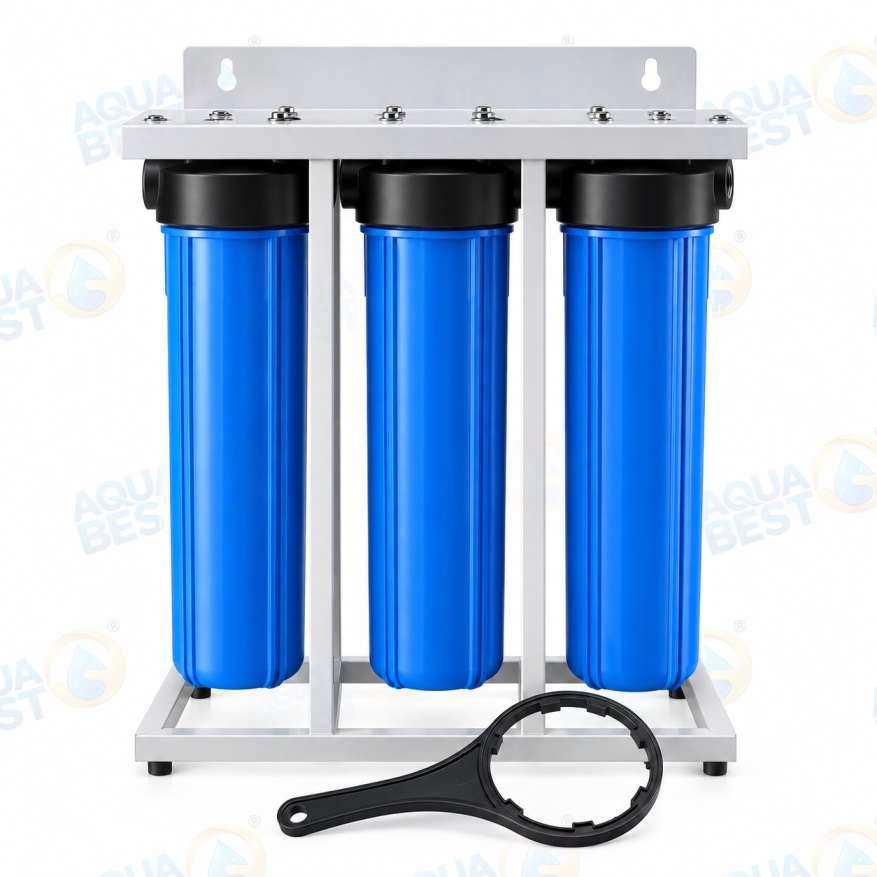
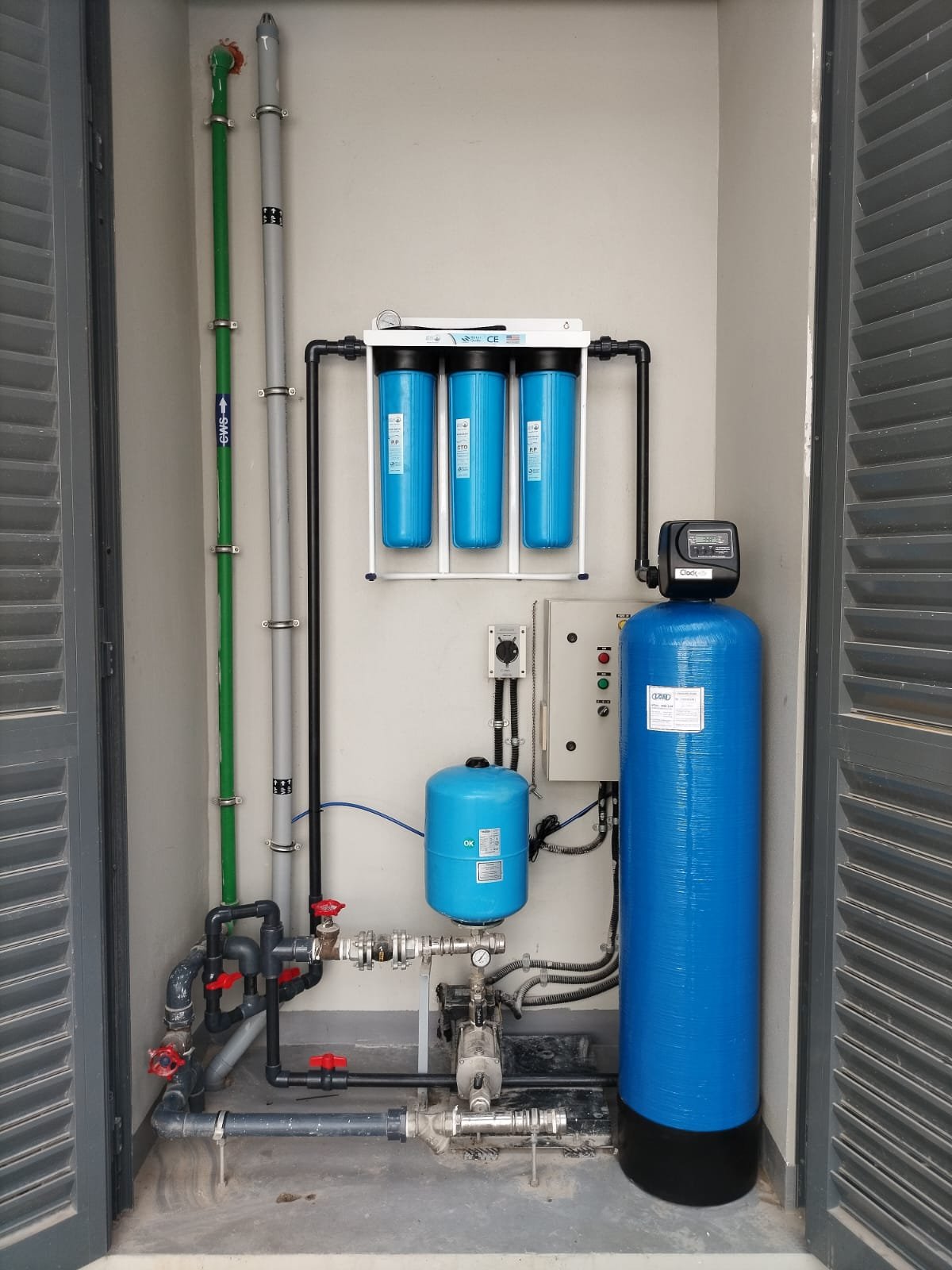
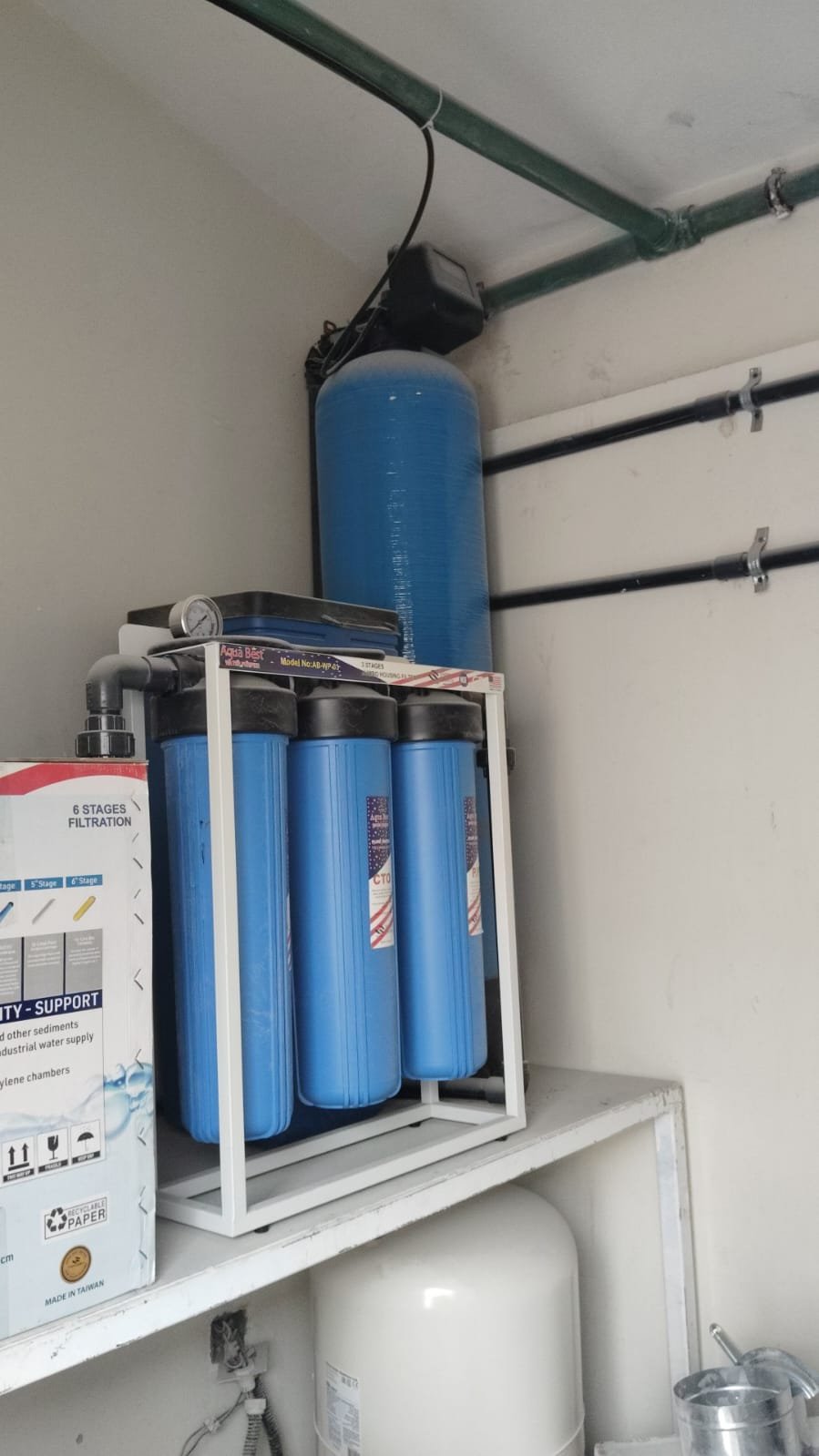
Sediment filtration, activated carbon, softening and RO have different roles. The appropriate combination depends on the source water and equipment requirements. If RO is selected, ask how the final mineral balance or any required blending will be controlled.
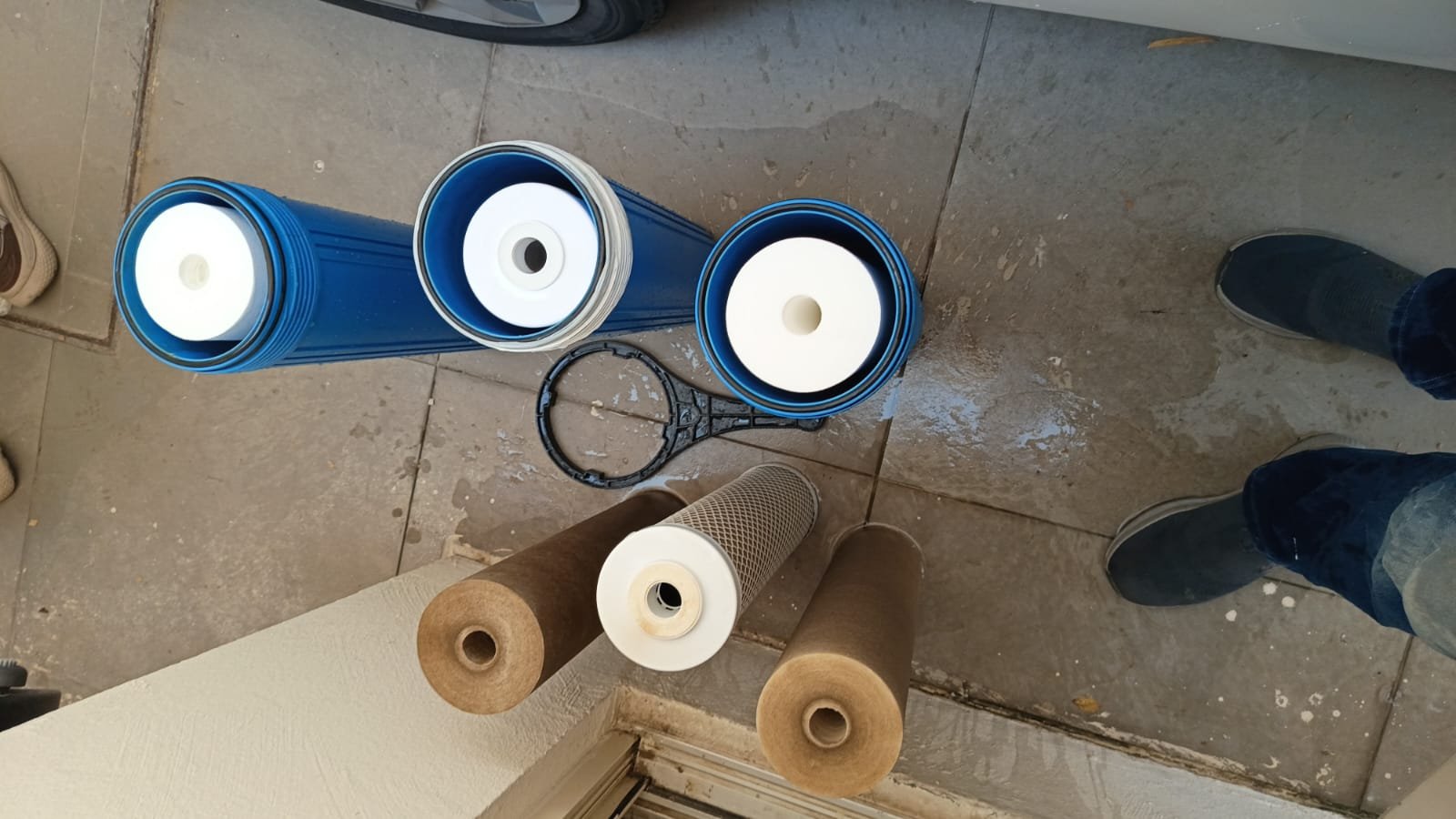
A filtration claim should be tied to the supplied cartridge and its rating. Confirm compatibility, capacity and the conditions under which the cartridge is intended to operate.
Design for the busiest service period
Record simultaneous use during peak service. Low flow or pressure at the busiest time can affect equipment even when average daily consumption appears modest. Ask the installer to check available pressure and the loss through the proposed system.
- Appliance makes, models and water specifications
- Incoming analysis and available inlet pressure
- Daily usage and simultaneous peak demand
- Space, drain connections and hygiene access
- Exact replacement cartridges and service instructions
Make maintenance part of kitchen operations
Keep cartridge codes, service dates and changes in flow or taste in a simple record. Follow the equipment instructions for flushing, sanitisation and replacement, with responsibilities assigned to the operator or service company.
Send Aqua Best the appliance list, water results and photographs to discuss a UAE café or restaurant system. Confirm the final arrangement with the appliance requirements before installation.