KEY TAKEAWAY
There is no single borehole-water specification for a country or continent. Design around a representative analysis of your source.
Test the water before choosing a plant
Two boreholes near each other can require different treatment. Arrange representative sampling with a competent laboratory and explain the intended use. Request advice on the chemical and microbiological tests relevant to the source and local requirements.
For equipment planning, the laboratory report may need to cover hardness, salinity, pH, iron, manganese and suspended material as well as other locally relevant parameters. Record the borehole yield and any changes through the year.
Build a treatment sequence around the results
Treatment can involve sediment removal, specialised media, softening, membrane separation and disinfection. The sequence depends on the identified problem and target water quality. RO is not automatically required for every borehole.
Where RO is proposed, ask for the pretreatment basis, expected recovery and concentrate-management plan. Consider how the treated water will be stored and distributed after the plant, including measures to prevent recontamination.
Design for the operator and the site
A treatment plant needs reliable daily operation. Identify who will check instruments, replenish approved consumables, respond to alarms and keep service records. Confirm power quality, available space and access before selecting equipment.
- Source analysis and sustainable borehole yield
- Daily demand and required treated-water quality
- Power supply and any planned backup arrangement
- Operator responsibilities and training
- Spare parts, consumables and local service support
Prepare a useful export enquiry
Send the analysis, destination, demand and site information together. Ask for clear packing dimensions, component documentation and the scope of commissioning support. Import procedures and installation requirements must be confirmed for the receiving country.
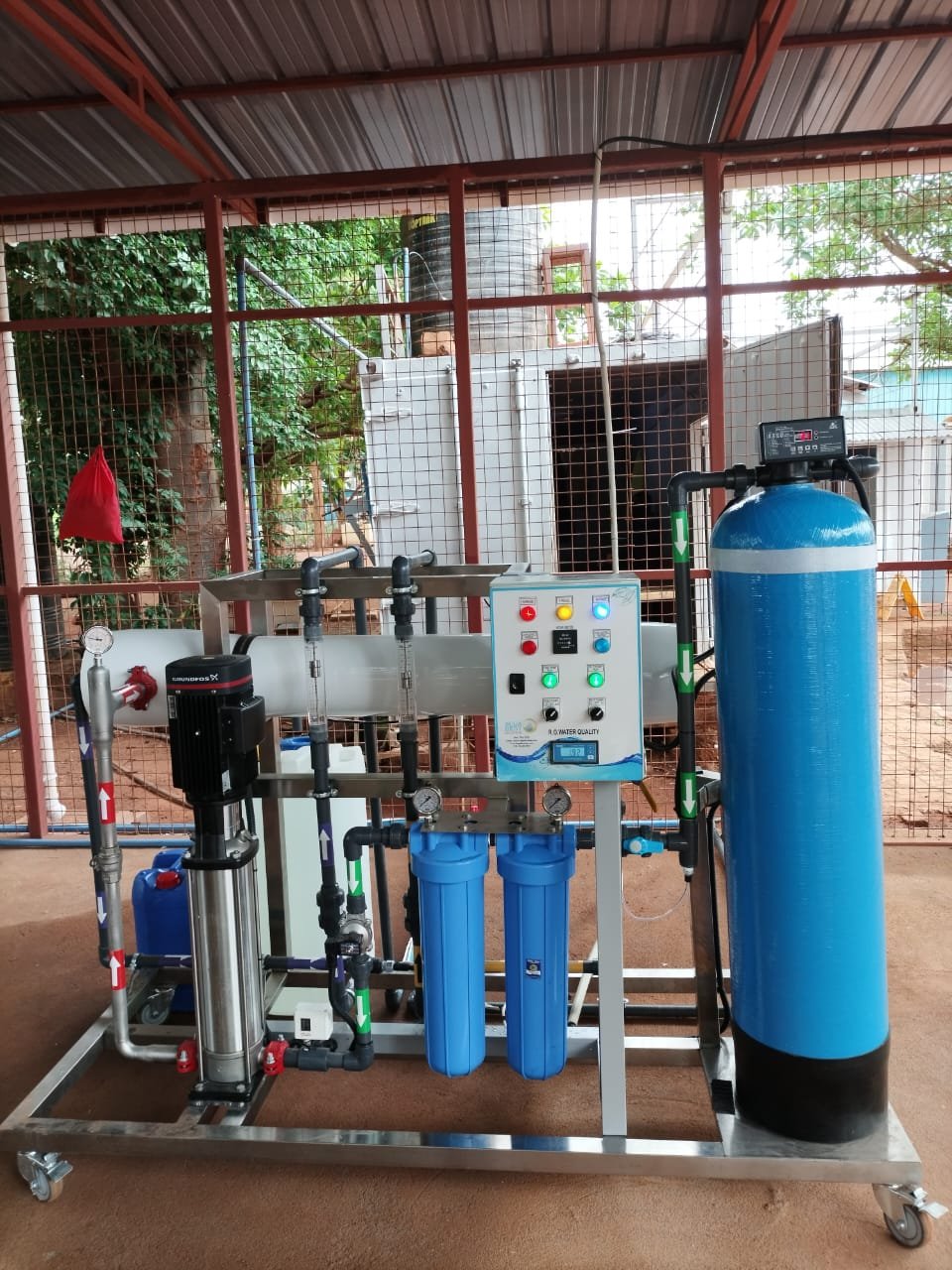
Aqua Best's existing South Sudan installation page is a project example; it should not be treated as a universal design for other sources. Each new enquiry needs its own water and operating assessment.