KEY TAKEAWAY
A conditioner and an ion-exchange softener may address different goals. Compare the claimed outcome, test evidence and actual maintenance requirements.
Start with the result you need
The phrase salt-free softener can describe products with different treatment claims. Before comparing them, decide whether the goal is hardness removal, management of deposits in a particular application or another documented requirement.
Measure hardness and identify the affected outlets or equipment. A broad label is not enough to determine whether two proposals provide the same function.
Understand the conventional softening task
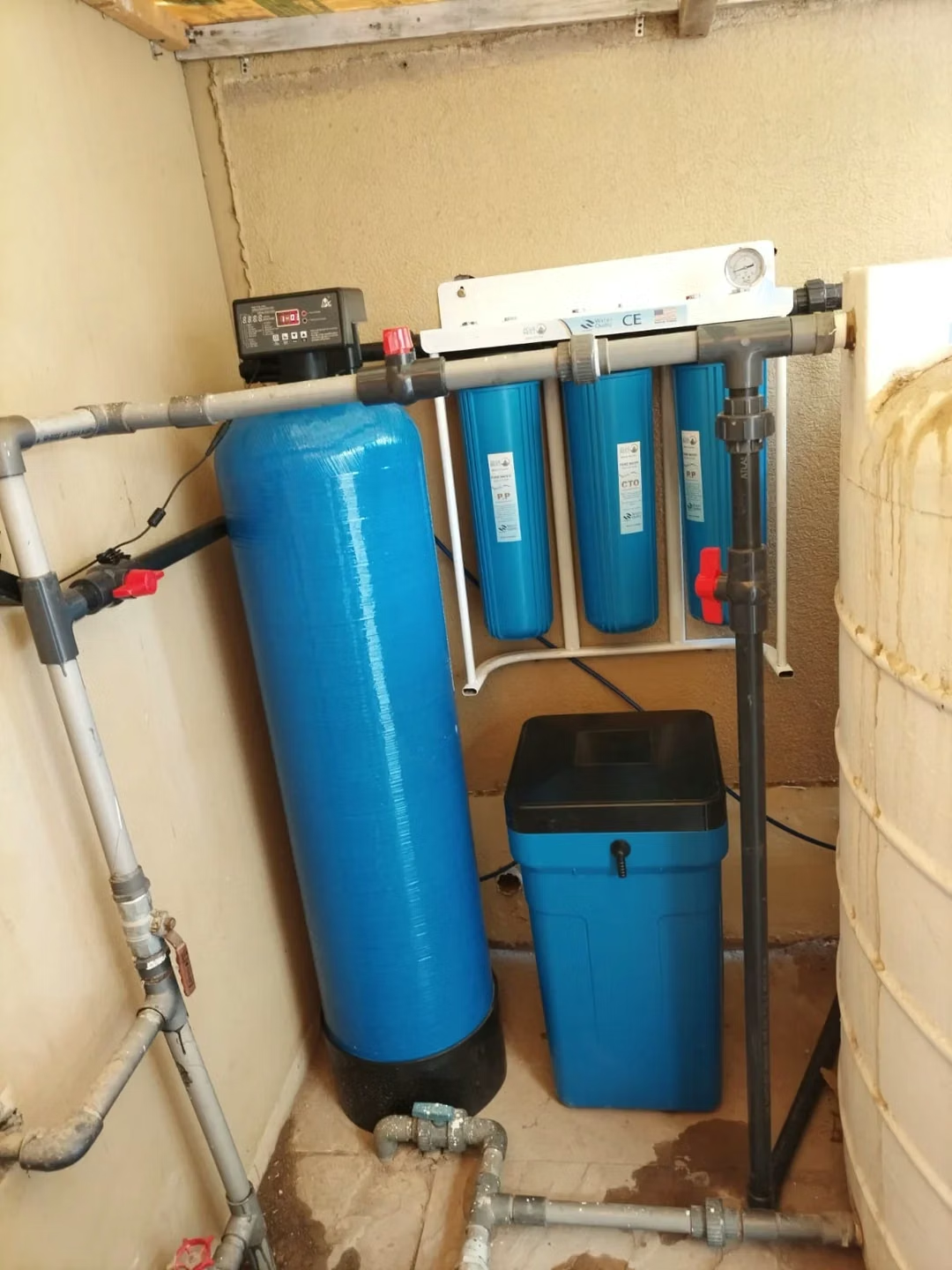
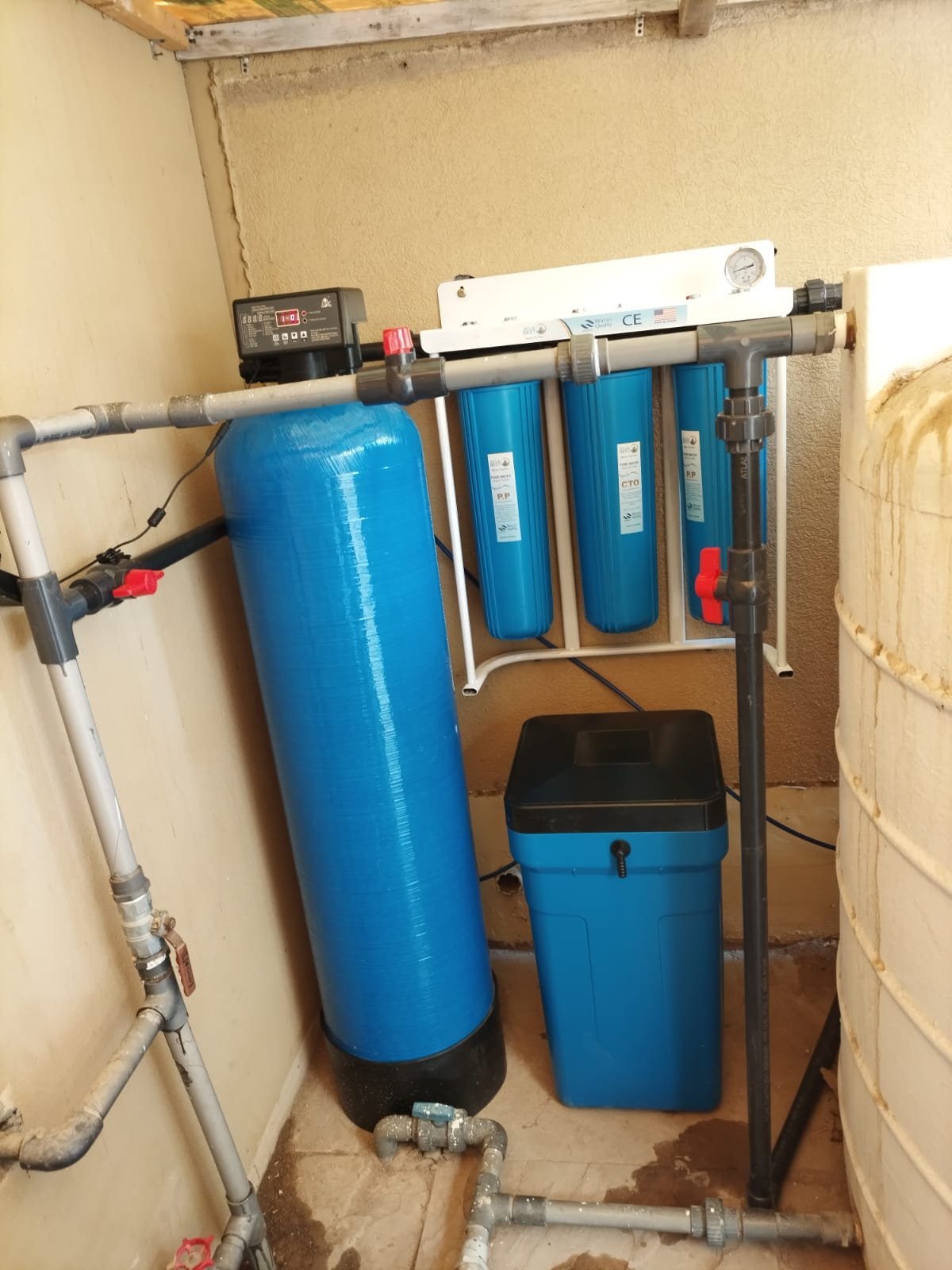
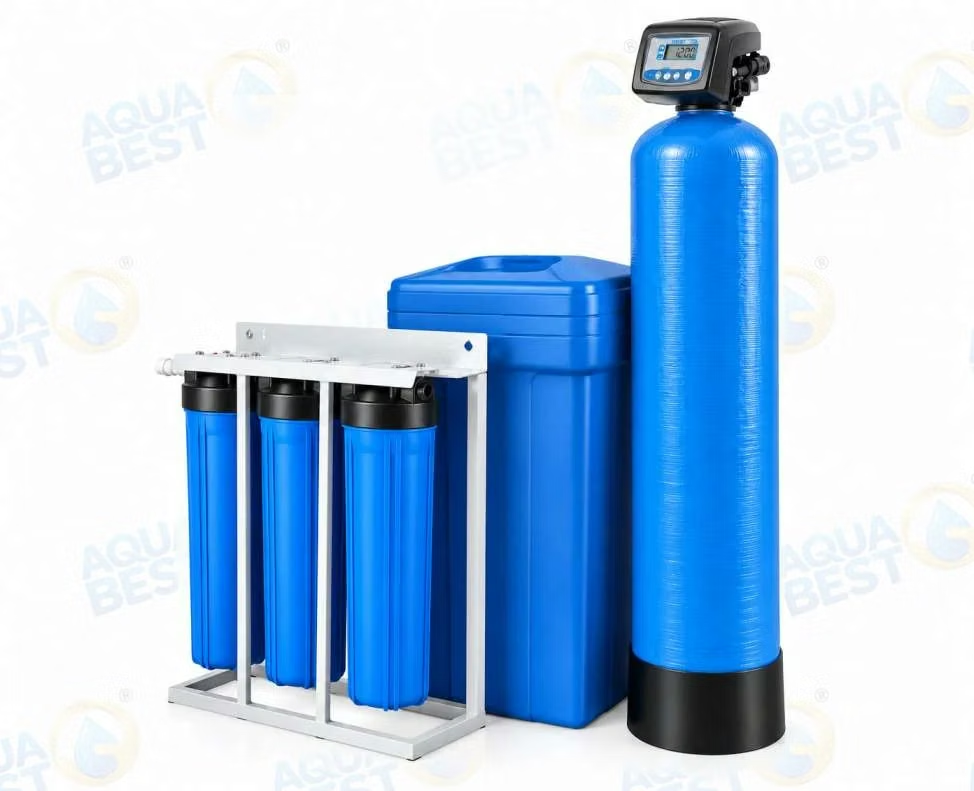
An ion-exchange softener is selected for hardness removal and has regeneration and service requirements. Review the actual model, regenerant, operating conditions and maintenance instructions in the proposal.
Sizing needs a hardness result and a flow assessment. Salt use, water use and ongoing care should be evaluated from the selected equipment and its intended operation rather than assumed to be identical for every unit.
Read the conditioner claim carefully
A scale-conditioning claim is not automatically a claim that calcium and magnesium have been removed. Ask what result the exact product is designed and tested to achieve, and under which water and operating conditions.
Request the model-specific evidence and limitations. If the process or appliance needs a particular hardness level, verify that the proposed equipment addresses that requirement rather than substituting a different claim.
Compare the two on the same questions
EPA WaterSense distinguishes standards used for softeners and scale-reduction devices. Use that distinction to ask about the exact equipment; do not treat every certification or product category as interchangeable.
| Question | Ion-exchange softener | Scale-conditioning proposal |
|---|---|---|
| Required outcome | Hardness-removal requirement | Exact claimed scale-management outcome |
| Evidence | Model data and operating conditions | Model-specific testing and stated limits |
| Installation | Regeneration and service arrangements | Connections and maintenance for that product |
| Decision | Measured hardness and flow | Suitability for the particular application |
Review the complete installation and upkeep
Identify space, service access, connections and any drain or power requirements for the model. Ask which consumables or replacement components apply and what the service quotation includes.
Confirm which solutions are available for your application and which are included in the written proposal. A general comparison article does not establish availability or suitability of every technology described.
Example: an appliance specification calls for hardness control
If connected equipment has a stated water requirement, provide that specification with the feed result. Ask the supplier to explain how the proposed treatment addresses the required outcome and what evidence supports it.
A scale-management claim and a hardness-removal requirement should not be treated as the same result without review. Compare the exact model and its limits, then identify the installation and ongoing care. This approach allows different technologies to be considered on a clear basis instead of assuming that the phrase salt-free means every product offers identical performance.
Send an outcome-based enquiry
Provide the hardness result, water source, affected equipment and the result you need. Ask for the proposed treatment function and limits to be written clearly.
- Hardness result with units and sampling point.
- Property or process and outlets served.
- Required treatment outcome.
- Feed conditions and existing equipment.
- Space, connections and care requirements.
Sources and further reading
Sources checked 17 Nov 2026. Advice for a specific property requires its own water information.