KEY TAKEAWAY
Select a supplier and plant on a clearly defined technical brief. Compare the stated conditions and deliverables rather than a capacity label alone.
Define the product-water requirement
Identify the intended process, required volume and operating pattern. State any quality specification provided by the connected process or equipment. Separate average production from peak delivery and identify storage and distribution requirements.
The proposal needs a common basis for comparison. Describe the site and any existing treatment so different suppliers are responding to the same requirement.
Supply a usable feed-water basis
Provide the source and relevant analysis, including the sampling point and date. Explain variation in the feed and any changes in temperature, supply or operating pattern that should be considered.
Pretreatment, membrane selection and the operating arrangement depend on the reviewed conditions. A nominal output copied from another project does not establish performance for your feed.
Compare the complete supplied plant
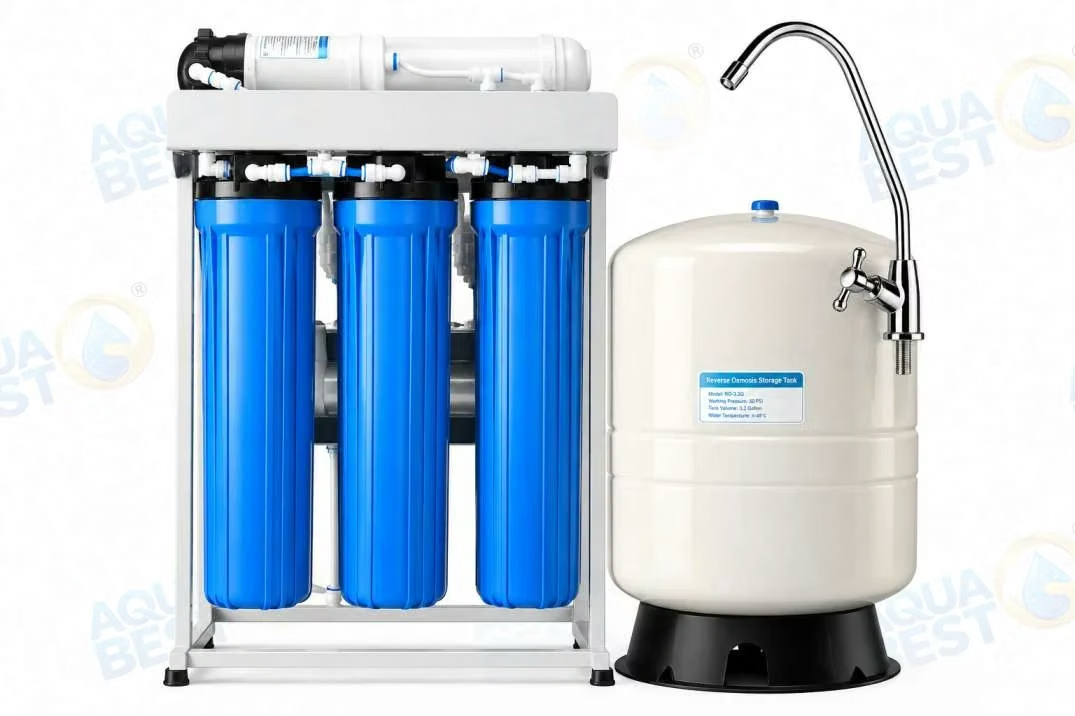
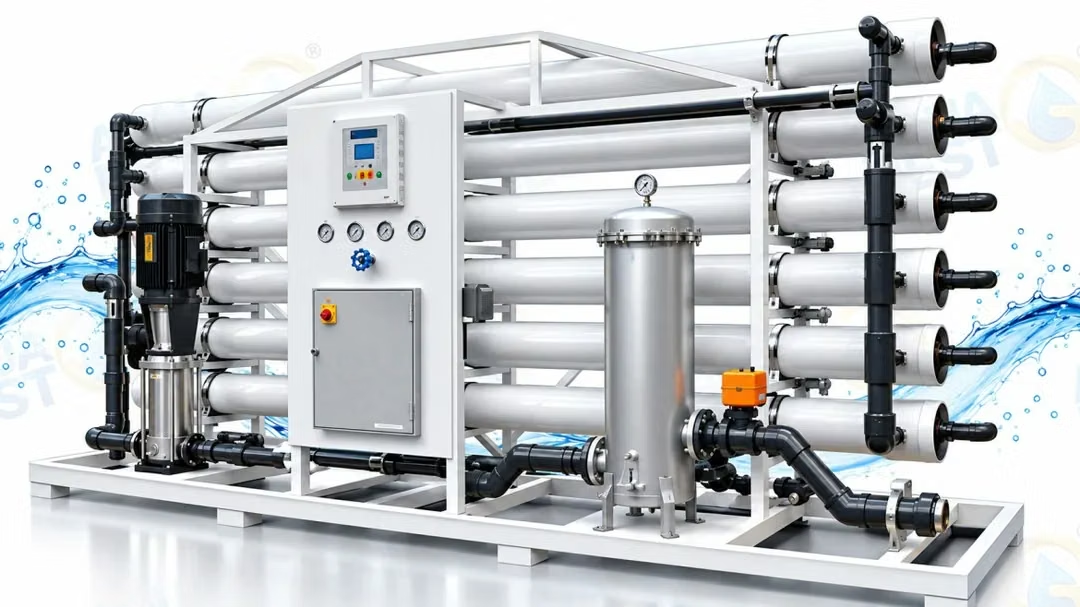
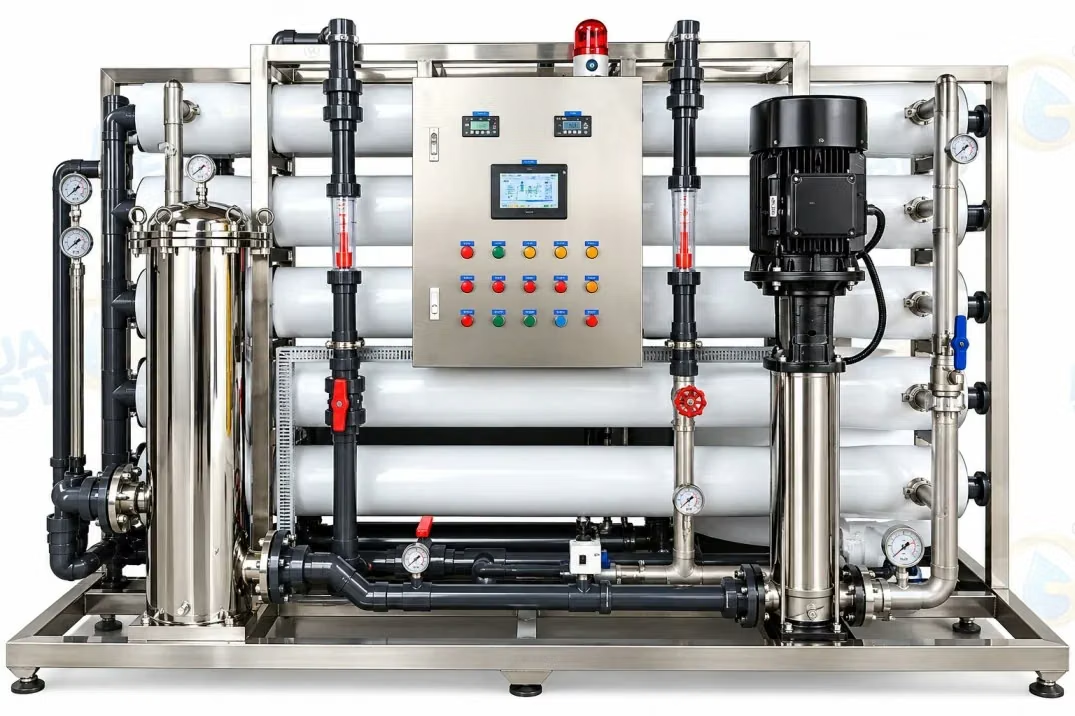
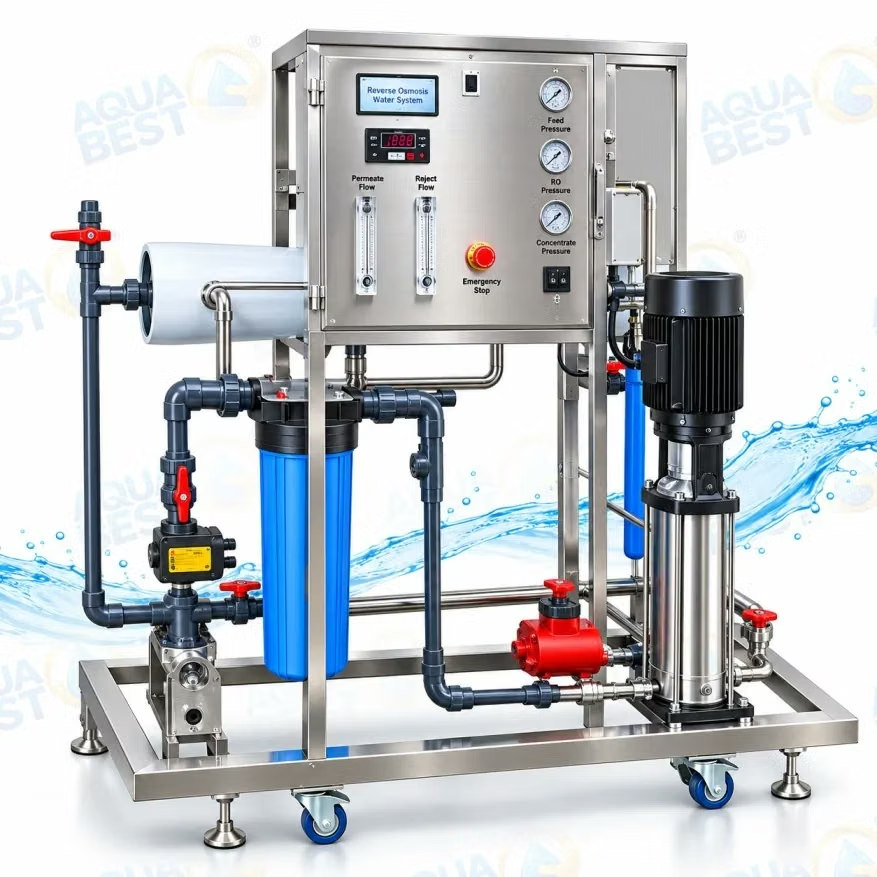
Ask for the membranes, pumps, housings, controls, instruments and supporting stages to be identified. Clarify materials, connections and any optional storage or delivery equipment included in the quotation.
Separate the equipment supply from electrical, mechanical and other site work. Confirm the documentation, drawings and operating information that will accompany the selected configuration.
Review commissioning and acceptance
Agree the checks, operating conditions and records used for commissioning and handover. The acceptance discussion should relate to the specified feed and application, not a performance statement without conditions.
Ask how operating information and maintenance requirements will be handed to the site team. Identify who is responsible for each part of the work and any requirements that remain to be confirmed.
Compare support over the operating period
Review replacement-element identification, consumables, service access and the support scope. Keep the exact model information so future parts enquiries can be matched to the actual plant.
Ask the provider to itemise exclusions, applicable terms and additional work. A supplier’s range breadth is useful context, but it does not replace a project-specific technical and commercial proposal.
Example: compare the design basis before the plant price
If two proposals state different output figures, first compare the feed basis, operating hours and conditions attached to those figures. Identify any difference in pretreatment, storage, delivery or commissioning scope before judging the equipment price.
Ask each provider to resolve missing assumptions in the same brief. The final comparison should show both the selected plant and the interfaces the site must provide. This gives the project team a practical basis for selection instead of treating the largest nominal rating or the shortest equipment list as the complete answer.
Prepare an industrial RO enquiry
Send Aqua Best the brief below for review and a current quotation. A final configuration requires the relevant project information.
- Dubai site and intended use of the water.
- Required output, quality basis and operating hours.
- Source, analysis and expected feed variation.
- Existing pretreatment, storage and distribution.
- Footprint, power, drainage and access information.
- Supply, site work, commissioning and service deliverables.