KEY TAKEAWAY
A seawater RO proposal needs the complete site and water brief. Compare the design basis, included equipment and operating scope before comparing price.
Start with the source and intake
Identify the seawater source, proposed intake and the conditions expected at the plant feed. Supply relevant analysis and explain changes associated with the source or operation. The intake and upstream treatment affect the plant requirement.
Describe the project location and interfaces early. A system intended for a particular source or installation cannot be selected reliably from the seawater label alone.
Define the product-water duty
State the intended use, required output and operating pattern. Identify the quality basis for the product water and any further treatment needed for the connected application.
Include storage and distribution rather than considering only production at the skid. Average volume and the busiest delivery period can lead to different supporting-equipment requirements.
Compare the listed capacity labels
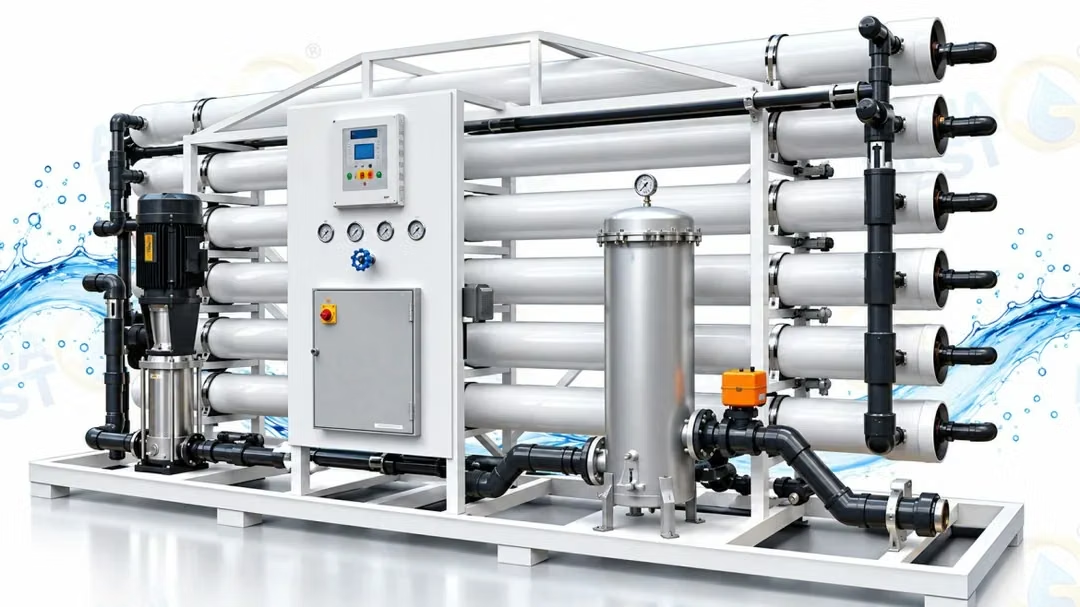
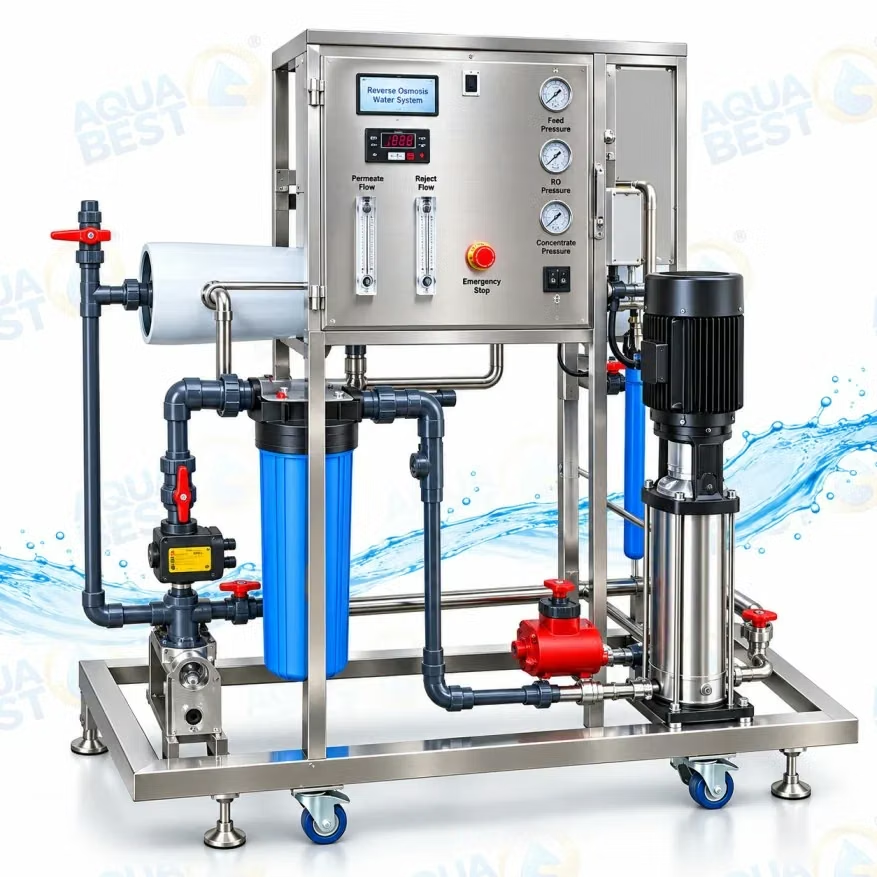
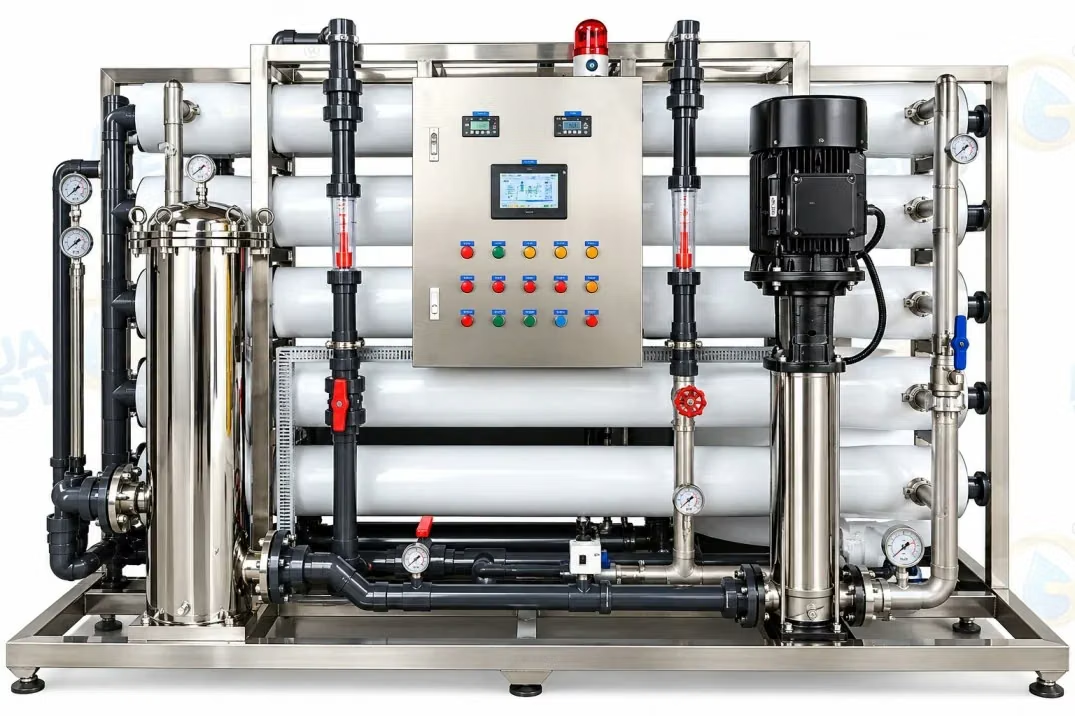
Examples in the current Aqua Best catalogue include: 1,500 GPD Seawater RO Plant; 10,000 GPD Seawater RO Plant; 100,000 GPD Seawater RO Plant; 12,000 GPD Seawater RO Plant; 15,000 GPD Seawater RO Plant; 20,000 GPD Seawater RO Plant; 250,000 GPD Seawater RO Plant.
These are catalogue configurations, not a promise of current stock or identical output at every site. Review the stated feed conditions, operating assumptions and complete system specification when comparing a nominal capacity with your requirement.
Compare the plant design basis
Review pretreatment, membrane configuration, pumps, materials, controls and instrumentation in the proposal. Ask the supplier to identify the feed assumptions and conditions attached to output and operating data.
Seawater applications also require attention to corrosion exposure and the supporting installation. The selected construction and interfaces should be stated for the actual project.
Include power and concentrate interfaces
Provide the available utilities and describe how product water and concentrate will be handled. Confirm intake and disposal requirements with the relevant project parties and authorities as applicable to the site.
Ask which connections, supporting equipment and site works are included. A skid-only price and an installed project scope may contain substantially different deliverables.
Understand what changes the cost
Aqua Best confirms current pricing by quotation. The output requirement, feed conditions, configuration, materials, supporting systems, installation and commissioning scope affect the proposal.
For operating-cost comparisons, request the actual design assumptions, utilities, consumables and maintenance scope. Avoid treating a generic cost per unit of water as a guarantee for a different project.
Example: a skid quotation and a project quotation
One proposal may identify the RO skid while another includes additional intake, pretreatment, storage or site work. The two figures cannot be understood properly until those deliverables and interfaces are separated.
Use an itemised scope to identify what the supplier will provide and what the site team or other project parties must arrange. Compare the operating basis and care requirements as well as the initial equipment. This avoids turning a generic desalination cost into an expectation for a project with different water, utilities, access or installation requirements.
Prepare the design and commercial brief together
Use the same brief to compare proposals and ask for exclusions and optional work to be identified.
- Site and source-water information.
- Intake and available feed analysis.
- Product-water use, quality and output requirement.
- Operating hours, storage and distribution.
- Power, concentrate route and other site interfaces.
- Supply, installation, commissioning and maintenance deliverables.